

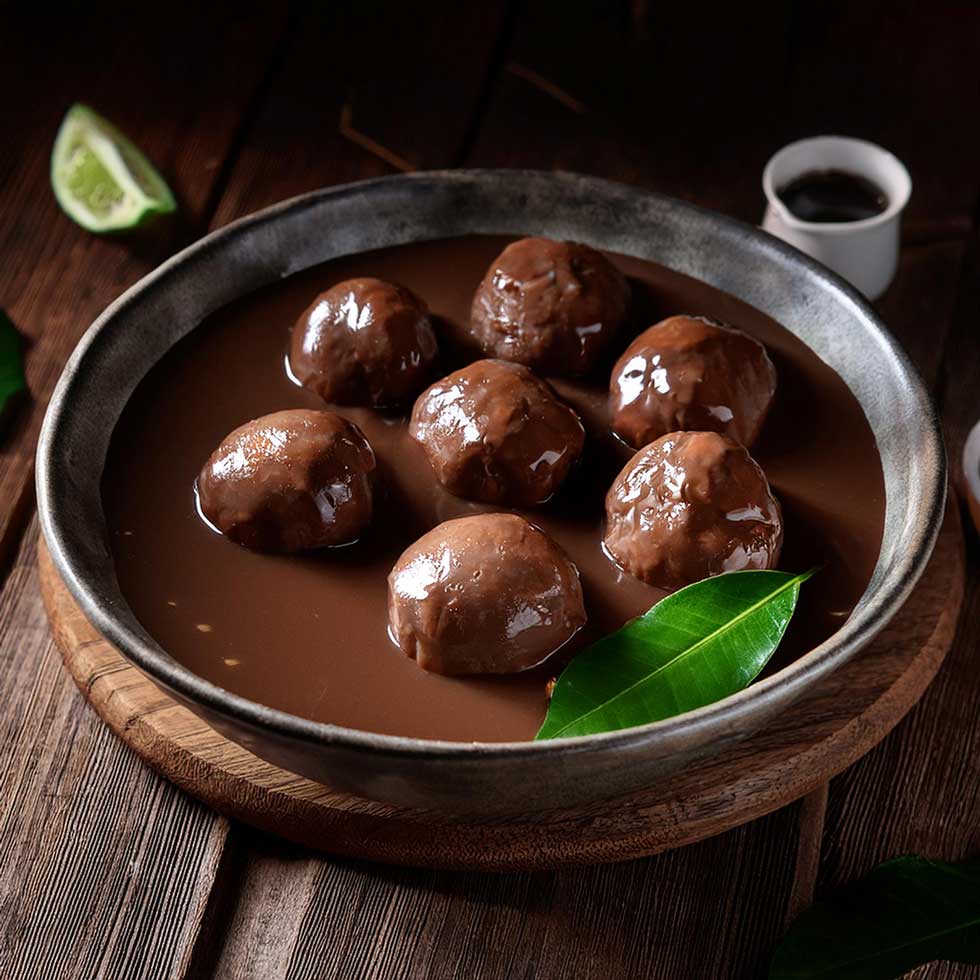
Kopai are chewy flour dumplings simmered in golden coconut caramel. They take about 30 minutes, use pantry staples, and taste like every Samoan childhood worth remembering. If you want the precise flour-to-liquid ratio and a never-sticky dough trick, those live in the Samoan Recipe Club.
In this guide
This recipe lives in the Samoan Recipe Club — the full Samoan Delights collection on your phone while you cook. Your screen stays awake, ingredients tick off as you go, and every dish comes with the story behind it. Plus 30% off everything in the store, automatically.
Prefer it on your shelf? The hardcover cookbook →
- What is Kopai and where does it come from?
- What ingredients do you need for Kopai?
- How do you make Kopai step by step?
- How do regional and diaspora families vary the recipe?
- What do you serve with Kopai?
- Frequently asked questions
What is Kopai and where does it come from?
Kopai is a Samoan contact-cuisine dessert, born when German missionary flour arrived at Safune's reef-sheltered wharf in the 1830s and local mothers found a sweet way to use it. The dish has two parts: small dough balls kneaded until the mixture sighs like bread, then boiled until they float; and a sauce of coconut cream caramelised with raw island sugar, sometimes perfumed with pandan or moli-eso (island citrus) leaves.
Early colonial diaries describe "native pudding balls" boiled beside church halls after evening lotu. Anthropologist Te'o Tuvale later recorded that Kopai became a cultural bridge, flour representing new trade while coconut and raw sugar kept the dish rooted in island identity. Food historians now file it under "contact cuisine," alongside Hawaiian malasadas and Fijian babakau.
Elders still listen for the dumplings to thump the pot lid rather than using a timer. That audio cue is one of those small details that separates a recipe in a book from one that lives in your body.
| Detail | What to know |
|---|---|
| Origin | Samoa, 1830s contact cuisine |
| Main components | Flour dumplings + coconut caramel sauce |
| Texture | Chewy dumplings, silky sauce |
| Serve with | Koko Samoa drink, Sunday to'onai |
| Freezes well? | Yes |
| Active time | About 30 minutes |
What ingredients do you need for Kopai?
The base list is short. Most of it is already in your pantry.
- All-purpose flour (about 2 cups)
- Raw sugar (roughly 1/2 cup)
- Coconut cream (1 can)
- Water for boiling and the sauce
- Pinch of salt
- Optional aromatics: pandan leaf or island lemon leaves
Precise gram weights, the flour-to-liquid ratio, and the non-sticky dough test live in the Samoan Recipe Club. That keepsake hardcover also covers five other traditional Samoan sweet recipes.
How do you make Kopai step by step?
- Make the dough. Whisk together the flour, a pinch of salt, and enough water to form a soft dough. Knead until it feels pillowy and smooth.
- Shape the dumplings. Roll dough into marble-sized balls. Rest them while you bring a large pot of water to a gentle boil.
- Cook until they float. Drop dumplings into the boiling water. They are ready when they rise to the surface and knock the lid. Elders say that sound is the only timer you need.
- Build the sauce. In a separate pan, simmer coconut cream with raw sugar and any aromatics (pandan, lemon leaf) until the mixture thickens and turns golden.
- Combine and serve. Fold the drained dumplings through the caramel sauce. Serve warm.
Exact simmer timings, caramel stages, and the freezer method live in the full recipe books. The method above will get you close; the books get you there every time.
How do regional and diaspora families vary the recipe?
There is no single Kopai. Every island and every aiga has a version.
- Savai'i: A pinch of grated nutmeg, a nod to 19th-century spice traders.
- Upolu: A splash of Koko Samoa drink added to the sauce for deeper chocolate undertones.
- Auckland diaspora: Evaporated milk whisked into the caramel for extra richness.
- Modern kitchens: Pandan extract instead of fresh leaves; palm sugar instead of raw sugar.
If you want to cook your way through all the classic Samoan recipes, the Samoan Delights Combined Edition has 24 in one gift-ready hardcover.
What do you serve with Kopai?
Kopai is flexible. It belongs at Sunday to'onai as the sweet finish, at White Sunday celebrations, and in a bowl at 11pm when you need something warm without thinking too hard about it.
- A mug of Koko Samoa is the classic pairing. The bitterness cuts the richness of the caramel.
- Serve alongside fa'ausi for a full Samoan sweets spread.
- Kopai freezes well. Make double and pull from the freezer for school nights or community events.
- Leftovers reheat in a pan with a splash of water and an extra spoon of coconut cream.
For the full collection of Samoan sweet and savoury recipes, browse the books collection.
If you are making this to give away rather than to eat, the Samoan gifts that are never the wrong size covers the keepsakes and kitchen pieces that get handed over with it.
Frequently asked questions
What does Kopai taste like?
Chewy dumplings with a mild, slightly sweet flour flavour, coated in a rich coconut caramel sauce. Think of it as Samoa's answer to a warm pudding. Pandan or lemon leaf adds a floral note if you use it.
Is Kopai the same as fa'ausi?
They are related but different. Both use coconut cream caramel sauce. Fa'ausi uses cooked grated taro or cassava as the base; Kopai uses boiled flour dumplings. Kopai has a chewier, bouncier texture. Read the fa'ausi recipe here.
Can I make Kopai ahead of time?
Yes. Both components keep separately in the fridge for 2 to 3 days. The dumplings firm up when cold, so reheat them in the sauce with a splash of water. Full make-ahead and freezer instructions are in the Samoan Recipe Club.
Why did my dumplings turn out gummy?
Usually under-kneading or too much water in the dough. The dough should feel firm enough to roll without sticking. The precise hydration ratio is in the recipe books.
Can I use pandan extract instead of fresh leaves?
Yes. Use a few drops rather than a full teaspoon. Fresh leaves give a subtle, grassy aroma; extract is more concentrated. Either works well with the coconut caramel.
the Samoan Recipe Club
Six traditional Samoan sweets. Precise ratios, full methods, gift-ready keepsake hardcover. Kopai is one of them.
Made-to-order by a Samoan-owned brand. Worldwide shipping.
This recipe lives in the Samoan Recipe Club — the full Samoan Delights collection on your phone while you cook. Your screen stays awake, ingredients tick off as you go, and every dish comes with the story behind it. Plus 30% off everything in the store, automatically.
Prefer it on your shelf? The hardcover cookbook →


