

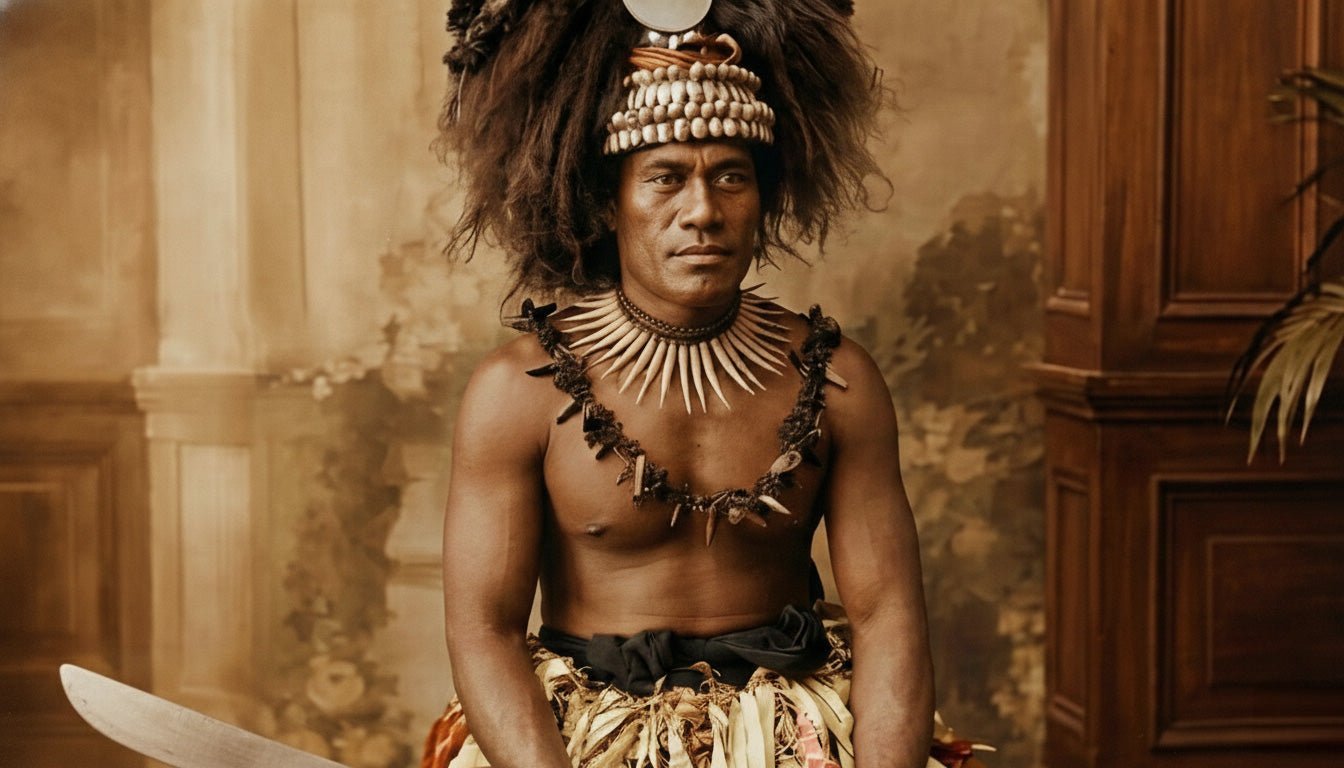
Short answer: A matai is a Samoan chiefly title holder and the head of an extended family, or aiga. The fa'amatai system is Samoa's ancient form of governance, through which matai lead families, manage communal land, and represent their families in village councils called fono. There are two main types: ali'i (high chiefs) and tulafale (orator chiefs). It is not a title you inherit automatically or apply for. It is bestowed by family consensus on someone deemed worthy of leading their lineage. Every Member of Parliament in Samoa holds a matai title.
To understand Samoa, you have to understand the matai. The fa'amatai system has shaped Samoan society for centuries. It survived colonisation, mission influence, and globalisation, and it remains the foundation of family life, village governance, and national politics across both the Independent State of Samoa and American Samoa.
In this guide
- What does matai mean?
- What are the two types of matai?
- What are the responsibilities of a matai?
- Matai and national politics in Samoa
- Matai titles in the diaspora
- Frequently asked questions
What does matai mean?
A matai is a titled chief who holds a family name recognised by Samoan custom and law. Every Samoan family traditionally holds at least one matai title, often connected to ancestral lineages stretching back many generations. The word matai refers both to the person holding the title and to the title itself.
Being a matai is understood as a calling to serve the family, not a position for personal power. It is central to the welfare of the aiga (extended family) and the protection of family property, especially customary land.
Unlike systems where the oldest child automatically becomes the next leader, matai titles are usually bestowed by family consensus. Character, demonstrated service, wisdom, and commitment to the collective wellbeing all shape the decision. Genealogy matters, but it is not the only factor.
What are the two types of matai?
Within the fa'amatai system there are two distinct categories of title. Understanding the difference is key to understanding how Samoan ceremony and governance actually work.
| Type | Role |
|---|---|
| Ali'i (high chiefs) | Senior title holders. They represent authority, prestige, and ancestral lineage, addressed with specific honorifics and given a place of prominence at the fono. Their words carry weight. |
| Tulafale (orator chiefs) | The voice of the ali'i. Masters of oratory, genealogy, proverbs, and protocol. They speak for the ali'i, deliver ceremonial speeches, and manage the practical affairs of the meeting. |
The tulafale is not subordinate to the ali'i but holds a complementary role. Neither functions fully without the other. This division reflects the elegance of fa'amatai: authority and eloquence as separate but interdependent forces, each essential to the whole.
What are the responsibilities of a matai?
A matai's responsibilities are broad and deeply practical. They are not ceremonial duties performed at special occasions. They are active, ongoing obligations to family and community.
Family leadership
The matai guides major family decisions: education, marriage, migration, and economic choices. They are expected to be a steady hand in ordinary moments and in crisis, always prioritising family unity over personal interest.
Land administration
One of the most significant duties is managing customary land. In Samoa, most land is communally owned by families, not individuals. The matai decides how land is used and allocated, resolves disputes, and ensures resources serve current and future family members. This is one reason the title carries such weight: it is tied to the material foundation of the family's existence.
Village governance
Matai represent their families in the fono, the village council, which handles local law, dispute resolution, and community decisions. Hundreds of village chief councils operate across Samoa with legal, judicial, and executive powers over local affairs.
Cultural custodianship
Matai are guardians of Samoan customs. They oversee ceremonial obligations, manage the exchange of traditional gifts including ie toga (fine mats), and maintain the protocols that preserve Fa'a Samoa across generations.
That spirit of service has a name often woven into matai life: toa, meaning warrior or courage. The matai role is built on it, the quiet courage to put the aiga first. The Warrior print carries that same value into everyday form.

The matai print carried in heavyweight cotton, for the days between the ceremonies. A quiet nod to the title and the service it stands for, worn the way Islanders recognise on sight.
Matai and national politics in Samoa
The fa'amatai system extends directly into national governance. From Samoa's independence in 1962 until 1990, only matai could vote in national elections. The 1990 Electoral Amendment Act introduced universal suffrage, but one rule remained: only matai can stand as candidates for parliament. As a result, every Member of Parliament in the Independent State of Samoa holds a matai title. They govern the nation in the same capacity they govern their families.
This intersection of traditional authority and modern democracy is unique. It ensures that those who hold national power are also accountable to their families and villages in the traditional way. A politician who behaves dishonourably risks losing the respect that makes their matai title meaningful.
Matai titles in the diaspora
For Samoan communities in New Zealand, Australia, and the United States, the matai system stays alive even far from the islands. Families in the diaspora still bestow matai titles in proper ceremony, still expect matai to fulfil their obligations to the extended family, and still look to matai for guidance on major decisions.
Being granted a matai title while living overseas is not uncommon. It recognises that this person has shown the character and commitment to serve, regardless of geography. For many diaspora Samoans, receiving a matai title is one of the most meaningful moments of their lives, and it is worn with the kind of quiet pride that other Islanders recognise on sight.

The matai motif on the wall of the family home, marking the hours the aiga keeps together. A piece that belongs in the room where decisions get made.

The matai print under the everyday work of a diaspora life, personalised with the name that carries it. A thoughtful gift for the one who serves the family from afar.
If you want to understand the symbols that travel alongside matai titles, our guide on what an ula fala is explains the pandanus strand worn at the ceremonies matai preside over. You can also browse the full apparel collection for more Samoan-designed pieces.
Giving to a matai has its own rules, and the title is not a punchline. Samoan gifts for him beyond another t-shirt covers what is appropriate and what to avoid.
Frequently asked questions
What is a matai in Samoan culture?
A matai is a chiefly title holder who represents and leads an extended Samoan family, known as an aiga. The matai manages family land, guides important decisions, represents the family in village councils (fono), and serves as a cultural custodian. Matai titles are bestowed by family consensus, not simply inherited, and are seen as a calling to serve rather than a position of personal power.
What is the fa'amatai system?
Fa'amatai is the traditional Samoan chiefly system that organises society around family, village, and district governance. Matai represent their families in village councils, manage communal land, oversee ceremonial obligations, and collectively govern village affairs. The system has shaped Samoan society for centuries and still functions today in both the Independent State of Samoa and American Samoa.
What are the two types of matai?
There are two main categories: ali'i (high chiefs) and tulafale (orator or talking chiefs). Ali'i represent authority, prestige, and ancestral lineage. Tulafale are master orators who speak for the ali'i in formal settings, manage ceremonial protocol, and deliver speeches on their behalf. Both roles are essential and complementary.
Can women be matai?
Yes. Women can and do hold matai titles in Samoa, though historically the majority of titles have been held by men. Women matai are recognised in the fa'amatai system and can participate in village fono and family governance. In recent decades, the proportion of women matai has increased.
How does the matai system connect to Samoan politics?
In the Independent State of Samoa, only matai are eligible to stand as candidates for parliament. Universal suffrage was introduced in 1990 for voting, but the requirement that elected representatives hold a matai title remains. This means every Member of Parliament in Samoa also holds a chiefly title and is accountable to their family and village in the traditional way.
Honour a matai title
Apparel, home pieces, and gifts carrying the Matai print, made to mark the title and the service it stands for.
Shop the Matai range →Made-to-order by a Samoan-owned brand. Worldwide shipping.


